

The Role of Proper Roof Ventilation in Extreme Weather
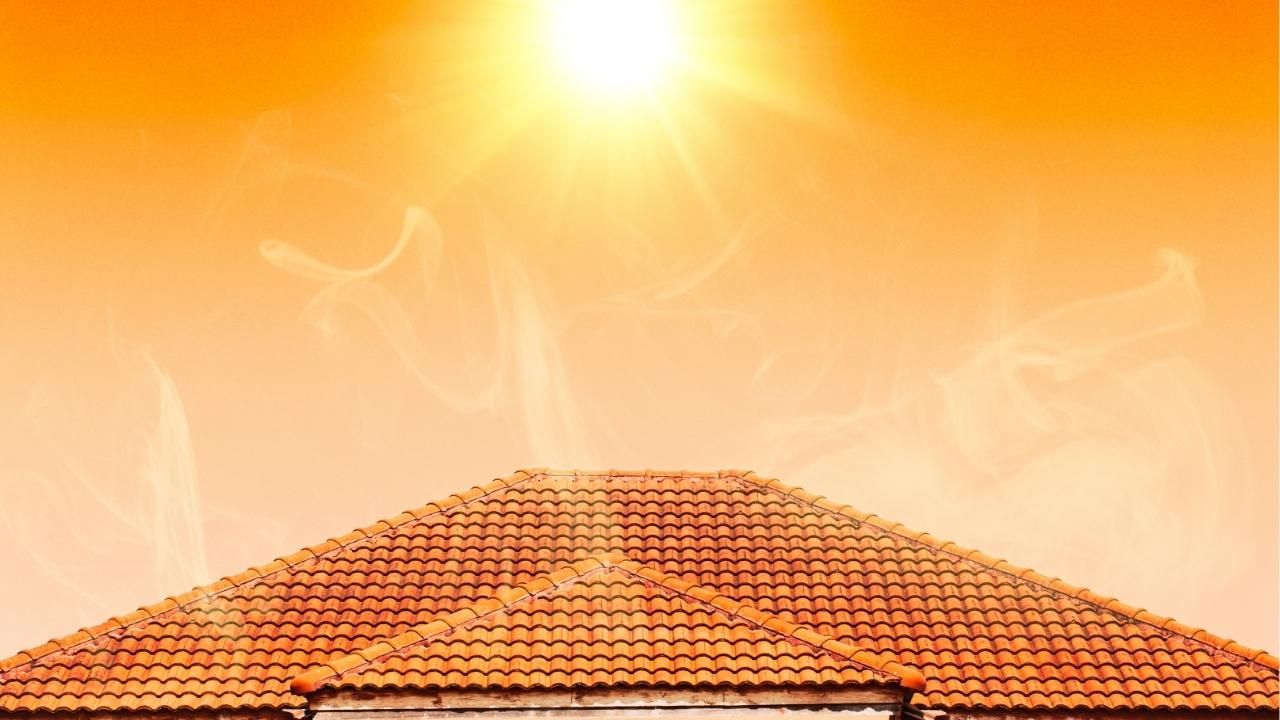
Extreme weather doesn’t just test the strength of your roof, it tests the hidden systems working beneath it. One of the most overlooked systems is roof ventilation. When it’s designed properly, it quietly protects your home from heat, moisture, and structural damage.
In this article, you’ll learn why roof ventilation matters, how it protects your home during extreme weather, and what homeowners should look for when evaluating their roofing system.
Why Roof Ventilation Matters More Than You Think
When people think about residential roofing, they often focus on shingles, flashing, or gutters. But ventilation plays a critical role in how well your roof performs over time.
Proper roof ventilation allows fresh air to circulate through your attic while pushing out excess heat and moisture. Without this airflow, your roof system becomes vulnerable to serious problems.
Here’s what proper ventilation helps prevent:
- Heat buildup in the attic during hot summers
- Moisture accumulation that can lead to mold or rot
- Ice dam formation in winter climates
- Premature shingle deterioration
- Increased strain on your HVAC system
Homeowners planning roofing installation in Oneonta AL should understand that ventilation is not optional, it’s a key component of a durable roofing system.
When airflow is balanced between intake vents and exhaust vents, your attic stays cooler in summer and drier in winter. That balance protects both the roof structure and the living space below it.
How Ventilation Protects Homes During Extreme Heat
Extreme heat can push attic temperatures well above 150°F. Without ventilation, that trapped heat begins affecting everything around it.
Poor ventilation can cause:
- Warped roof decking
- Shingle cracking and curling
- Higher indoor cooling costs
- Premature roof failure
Proper ventilation allows hot air to escape before it causes damage.
Think of it like opening windows in a hot room. Air needs a way in and a way out. Roof systems typically use soffit vents for intake and ridge vents for exhaust, creating a natural airflow cycle.
When done correctly, this ventilation system helps maintain consistent attic temperatures even during intense summer heat waves.
The Hidden Threat of Moisture and Storm Damage
Extreme weather isn’t just about heat. Heavy rain, humidity, and winter storms can create moisture problems inside your roof structure.
Warm indoor air naturally rises into the attic. When that warm air meets cooler surfaces, condensation forms. Over time, that moisture can cause:
- Mold growth
- Wood rot
- Insulation damage
- Structural weakening
Ventilation reduces this risk by allowing humid air to escape before condensation forms.
Many reputable roofing companies emphasize ventilation during inspections because it’s one of the easiest ways to extend the life of a roof system.
Ignoring it can lead to expensive repairs that could have been prevented with proper airflow design.
Case Study: How Ventilation Saved a Roof System
A homeowner in Alabama noticed their energy bills climbing each summer. Their attic felt extremely hot, and shingles began curling earlier than expected.
During a roofing inspection, contractors discovered the attic had almost no ventilation. Heat was trapped inside, slowly damaging the roof deck and shingles.
The solution involved installing ridge vents and improving soffit airflow. Within weeks, attic temperatures dropped significantly.
Over the next year:
- Cooling costs decreased by nearly 18%
- Shingle deterioration slowed dramatically
- Indoor comfort improved during peak summer heat
The homeowner didn’t need a full roof replacement, just proper ventilation adjustments. That small change likely extended the life of the roof by several years.
Signs Your Roof Ventilation Needs Improvement
Many homeowners don’t realize ventilation issues exist until problems appear.
Watch for these warning signs:
- Excessively hot attic spaces
- Moisture or condensation on attic surfaces
- Mold or mildew smells
- Curling or blistering shingles
- Ice dams forming along roof edges
If you notice any of these symptoms, it’s worth having a professional roof inspection performed.
Small ventilation upgrades today can prevent major structural damage tomorrow.
Protect Your Roof Before Extreme Weather Hits
Your roof is your home’s first defense against the elements, but its performance depends on more than just quality materials. Proper ventilation keeps heat and moisture from quietly damaging your roofing system.
If you want your roof to withstand extreme weather and last as long as possible,
schedule a professional inspection and make sure your ventilation system is working the way it should.
Ready to work with Royal Roof Contractors?
Let's connect! We’re here to help.
Send us a message and we’ll be in touch.
Or give us a call today at (205) 274-7663