
Roofing Terms Every Homeowner Should Know
Roofing can feel like a different language if you’re not familiar with the terms. One minute you’re hearing about shingles and flashing, the next it’s all about underlayment and ventilation. It’s easy to feel lost and that’s exactly how costly mistakes happen.
In this guide, you’ll learn the most important roofing terms every homeowner should understand. Whether you’re planning a repair or hiring a roofer Oneonta AL homeowners trust, this knowledge helps you ask better questions, avoid confusion, and make smarter decisions.
1. The Basics: Core Roofing Components
Let’s start with the foundation. Every roof is made up of several layers working together to protect your home.
Here are the key parts:
- Shingles – The outermost layer, usually made of asphalt, metal, or tile. This is what you actually see.
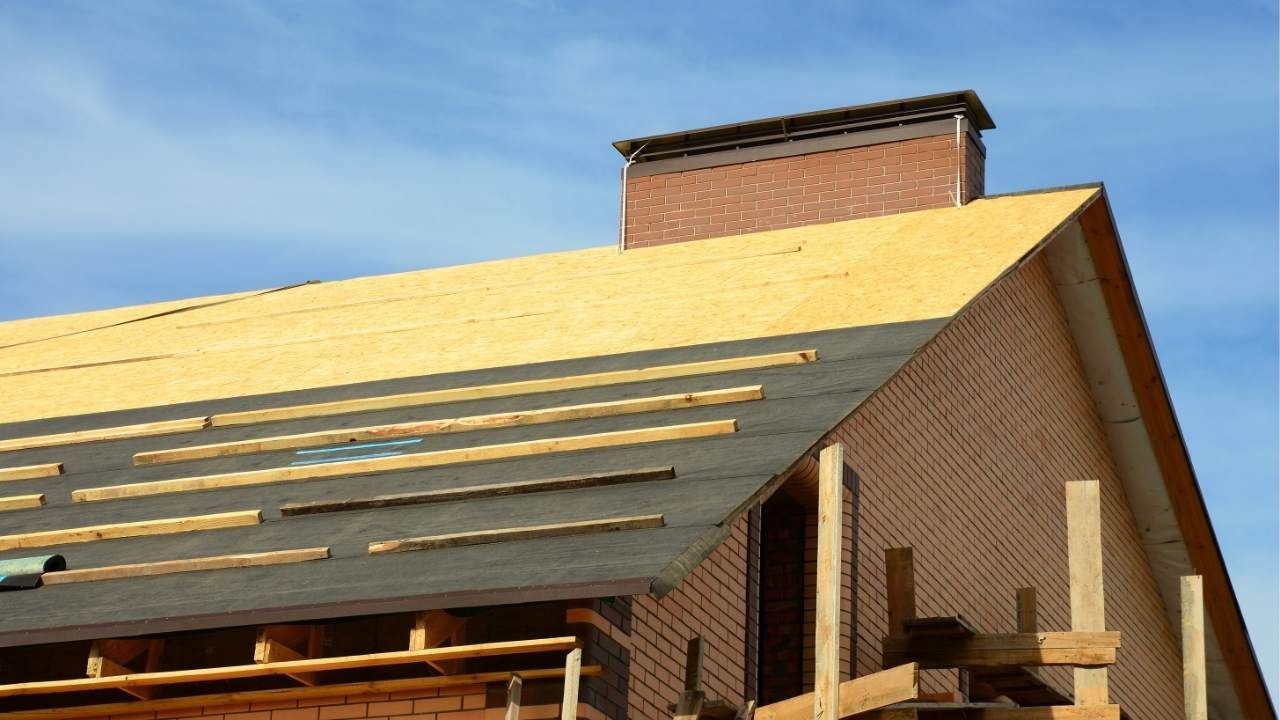
- Decking (or Sheathing) – The wooden base installed directly on your home’s frame.
- Underlayment – A protective barrier placed between the decking and shingles.
- Roof Shield – A specialized waterproof membrane used in vulnerable areas like valleys and edges.
Each of these components plays a role in keeping water out. If even one fails, leaks can happen fast.
2. Structural Terms You’ll Hear Often
When talking to contractors or roofing companies, you’ll hear terms that describe the shape and structure of your roof.
Here’s what they mean:
- Pitch – The steepness of your roof. A higher pitch means a steeper roof.
- Ridge – The highest point where two slopes meet.
- Valley – The low point where two roof sections meet, often prone to leaks.
- Eaves – The edges of the roof that extend beyond your walls.
Understanding these terms helps you follow along when someone explains problem areas or repair plans.
3. Materials and Installation Terms
Roofing isn’t just about what you see, it’s also about how everything is installed.
Some important terms include:
- Flashing – Thin metal pieces installed around chimneys, vents, and joints to prevent water from seeping in.
- Drip Edge – A metal strip that directs water away from the roof and into the gutters.
- Starter Shingles – The first row of shingles installed to provide a secure base.
- Ventilation – A system that allows air to flow in and out of your attic, preventing heat and moisture buildup.
Good installation is just as important as good materials. Even high-quality shingles can fail if installed incorrectly.
4. Maintenance and Damage Terms
Roof issues don’t always show up clearly. Knowing the right terms helps you identify problems early.
Watch out for these:
- Blistering – Bubbles on shingles caused by trapped moisture.
- Curling – Shingles lifting at the edges, often due to age or poor ventilation.
- Granule Loss – When shingles lose their protective coating, making them less effective.
- Ice Dams – Ice buildup at the roof edge that prevents proper drainage.
Quick Case Study
A homeowner noticed water stains on their ceiling after a storm. Initially, they assumed it was just old shingles. But after a proper inspection, the issue turned out to be damaged flashing near the chimney and a missing roof shield in the valley. Because they understood these terms, they were able to approve the correct repair instead of paying for unnecessary full roof replacement. The result? They saved thousands and fixed the real problem.
Bringing It All Together
Once you understand these terms, roofing conversations become much clearer. You’ll know exactly what’s being discussed, what needs fixing, and whether a recommendation makes sense.
And that’s the difference between guessing and making confident, informed decisions.
Take the Next Step
Before your next inspection or repair, review these terms and keep them handy. Then, when you speak with a contractor, don’t just listen; engage, ask questions, and make sure you fully understand what’s happening on your roof.
Ready to work with Royal Roof Contractors?
Let's connect! We’re here to help.
Send us a message and we’ll be in touch.
Or give us a call today at (205) 274-7663