

Why You Shouldn’t Ignore a Small Roof Leak
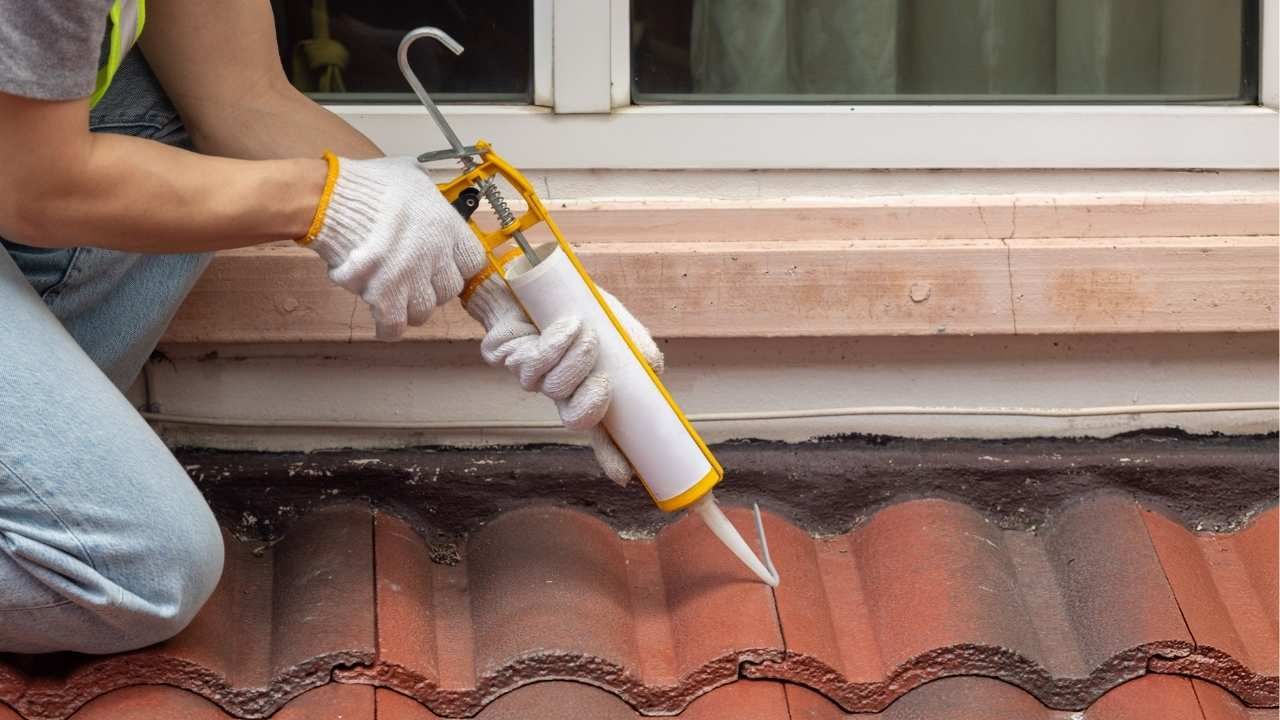
A tiny drip can feel like a “later” problem, until your ceiling stains, your insulation turns to mush, and your repair bill grows a couple extra zeroes. Roof leaks don’t stay small. They spread quietly, wrecking the parts of your home you can’t see until the damage is already done.
In this article, you’ll learn why minor leaks escalate fast, the hidden damage they cause, the warning signs to watch for, and what smart homeowners do to stop the problem before it gets expensive.
Small Leaks Turn Into Big Structural Problems
A roof is a layered system, not just shingles. When water slips through even a pin-sized gap, it can travel along decking, rafters, and insulation before it shows up inside your house. That’s why a “tiny” leak can create a surprisingly large wet zone.
Once moisture gets into wood, it starts weakening it over time. Fasteners can loosen. Decking can soften. And in colder months, freeze-thaw cycles can widen cracks and openings, making the leak worse with every weather swing. If you’re in the market for Oneonta Alabama residential roofing services, treat a small leak like a priority, not a nuisance.
The Real Damage Happens Where You Can’t See It
Most homeowners judge a leak by what they see: a drip, a stain, or a little bubbling paint. But the mess usually sits above the ceiling line and spreads outward. The longer moisture lingers, the more problems it creates, especially in closed spaces.
Here’s what a small leak can secretly trigger:
- Mold and mildew growth in insulation and drywall (often before you smell it)
- Ruined insulation, which drives up heating and cooling costs
- Wood rot in rafters and roof decking
- Electrical risk if water reaches wiring or fixtures
- Pest attraction, since damp areas invite insects and rodents
By the time you notice the “first” stain, the leak may have been active for weeks.
Early Warning Signs You Should Never Brush Off
Roof leaks rarely announce themselves with a dramatic waterfall. They usually start with subtle clues. Catching these early can be the difference between a manageable fix and a major renovation.
Watch for:
- Yellow or brown ceiling stains that slowly expand
- Peeling paint or bubbling drywall near the ceiling
- Musty smells in upstairs rooms, closets, or attics
- Shingles that look curled, cracked, missing, or “bald”
- Granules collecting in gutters (shingles wearing down)
- Damp insulation or dark patches on attic wood
If you see any of these, don’t wait for the next storm to “confirm” it. That’s how homeowners turn a small issue into a bigger one.
What To Do Next: Move Fast, Not Panicked
When you suspect a leak, your goal is simple: limit damage and get a clear diagnosis. A quick patch from the hardware store might stop a drip temporarily, but it won’t fix the cause and it can sometimes trap moisture in the wrong place.
A smarter approach:
- Take photos of stains, wet spots, and exterior roof areas (if safe)
- Check your attic for damp wood, wet insulation, or daylight through boards
- Clear gutters and downspouts so water isn’t backing up under shingles
- Schedule an inspection and plan roof repairs before the next heavy rain
This is where reputable roofing companies earn their keep, by finding the true entry point and fixing it correctly, not just covering symptoms.
Mini Case Study: The “Small Stain” That Nearly Became a Rebuild
A homeowner noticed a faint brown ring on a bedroom ceiling after a storm and decided it could wait. Over the next month, the stain grew, the room smelled musty, and the drywall started to sag. An inspection revealed water had been slipping under a damaged shingle line and traveling across the roof decking. The insulation was soaked, mold had started, and a section of decking had softened from rot. What could have been a simple repair turned into a bigger job involving drywall removal and replacing damaged wood, at several times the original cost.
Contact a local roofer as soon as you spot the first sign, because the cheapest leak is the one you stop early.
Ready to work with Royal Roof Contractors?
Let's connect! We’re here to help.
Send us a message and we’ll be in touch.
Or give us a call today at (205) 274-7663