
Roof Shield vs. Full Roof Replacement: What’s the Difference?
A worn roof does not always mean you need to tear everything off and start over. Sometimes, your roof still has life left in it, but it needs protection before small problems turn into expensive damage. That is where many homeowners start comparing roof shield treatments with full roof replacement.
In this guide, you will learn what each option means, when each one makes sense, and how to decide which route is better for your home, budget, and long-term plans.
What Is a Roof Shield?
A roof shield is a protective service designed to help extend the usable life of an existing roof. Instead of removing shingles and installing a brand-new system, a contractor applies protective products or treatments that help defend the roof against moisture, sun exposure, algae growth, and general wear.
For homeowners looking for a roofing contractor Alabama residents can trust, the first step is usually a roof inspection. The contractor checks whether the shingles, flashing, decking, and ventilation are still in good enough condition for a roof shield to be worthwhile.
A roof shield service in Oneonta Alabama may be a smart option when the roof is aging but not failing. It can help slow down deterioration, improve surface protection, and reduce the risk of minor issues getting worse too quickly.
This option is usually best when:
- The roof is not leaking heavily
- Shingles are still mostly intact
- There is no major decking damage
- The homeowner wants a lower-cost maintenance solution
- The roof needs extra protection from weather exposure
Roof shield is not magic. It will not fix a roof that is already collapsing, severely leaking, or missing large sections of shingles. But when used at the right time, it can buy valuable years.
What Is a Full Roof Replacement?
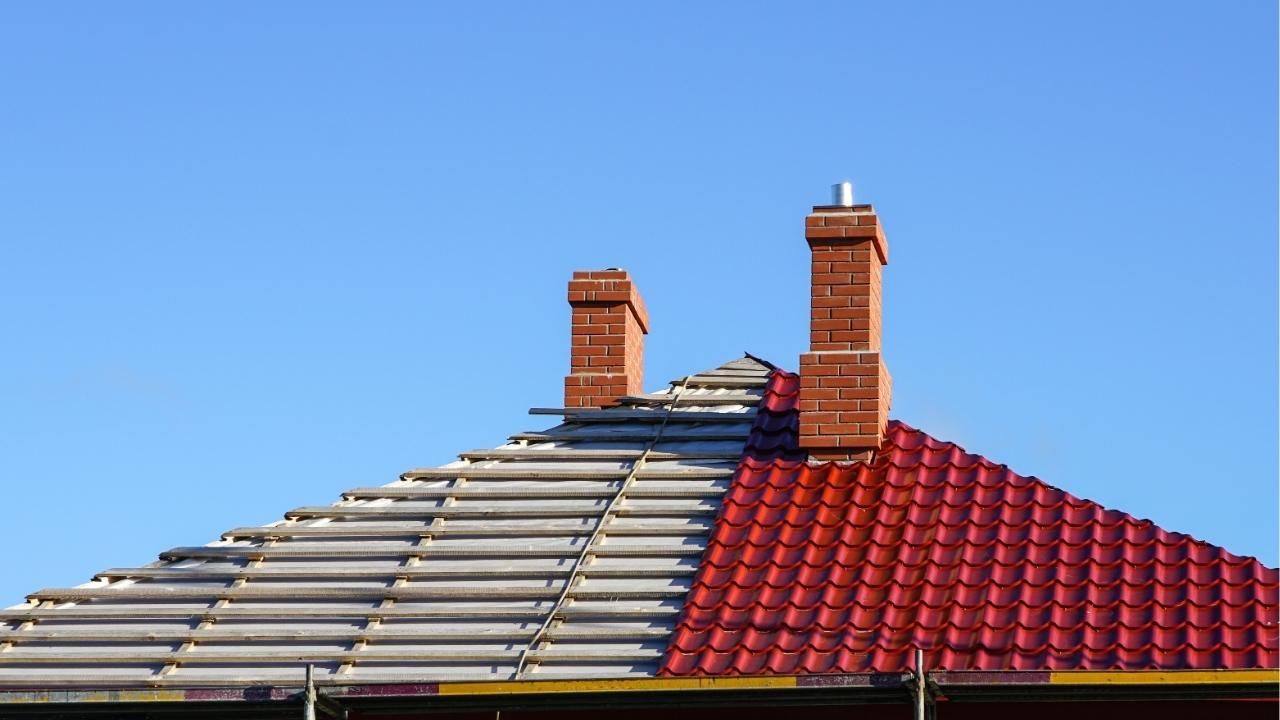
A full roof replacement is exactly what it sounds like. The existing roofing materials are removed, the underlying structure is inspected, and a new roofing system is installed.
This is the better choice when the roof has serious damage or has reached the end of its expected life. A replacement may cost more upfront, but it gives homeowners a fresh start with new materials, better protection, and often a stronger warranty.
Full replacement is usually recommended when:
- There are repeated leaks
- Shingles are curling, cracked, or missing
- The roof is sagging
- Storm damage is widespread
- Repairs are becoming too frequent
- The roof is past its expected lifespan
This is where local roofing professionals can make a real difference. A good inspection can tell you whether your roof needs full replacement or whether a protective service is still a reasonable choice.
Cost, Time, and Disruption
The biggest difference between roof shield and full replacement is the level of work involved. Roof shield is typically faster, less invasive, and more affordable. In many cases, it can be completed without tearing off the existing roof.
A full replacement takes more labor, more materials, and more planning. It may involve removing old shingles, replacing damaged decking, installing underlayment, adding flashing, and laying new shingles. That process can be noisy and disruptive, but it also gives the home a brand-new protective system.
Think of roof shield as roof preservation. Think of replacement as roof renewal. One helps maintain what you already have. The other starts over.
How to Choose the Right Option
The right choice depends on the condition of your roof, not just your budget. Choosing roof shield for a roof that needs replacement can waste money. Choosing replacement when the roof only needs protection can cost more than necessary.
Start with a professional inspection. Ask the contractor to show you photos of problem areas, explain the condition of the shingles, and check the attic for signs of leaks or poor ventilation.
A practical decision comes down to three questions:
- Is the roof structurally sound?
- Are leaks minor or widespread?
- How long do you plan to stay in the home?
If the roof is still solid, roof shield may be the smarter short-term move. If damage is extensive, replacement is the safer long-term investment.
Short Case Study
A homeowner in Blount County noticed dark streaks, dry-looking shingles, and a few small problem spots after several hot summers and heavy rain seasons. They assumed replacement was the only answer. After an inspection, the contractor found that the roof decking was still strong, the leaks were not widespread, and most shingles were still secure. Instead of replacing the entire roof, the homeowner chose a protective roof shield treatment and minor repairs. The result was a lower upfront cost, improved roof protection, and more time to plan for a future replacement without rushing into a major expense.
Final Thoughts
Roof shield and full roof replacement serve different purposes. Roof shield helps protect and extend the life of a roof that is still in decent condition. Full replacement is for roofs that are too damaged, too old, or too unreliable to keep repairing.
Before making the call, schedule a detailed roof inspection and ask for honest recommendations based on the actual condition of your home. A clear inspection today can help you avoid rushed decisions, wasted money, and bigger roofing problems later.
Contact a trusted roofing company today to schedule an inspection and find out whether roof shield or full replacement is the better fit for your home.
Ready to work with Royal Roof Contractors?
Let's connect! We’re here to help.
Send us a message and we’ll be in touch.
Or give us a call today at (205) 274-7663