

What Causes Roof Leaks in Alabama Homes?
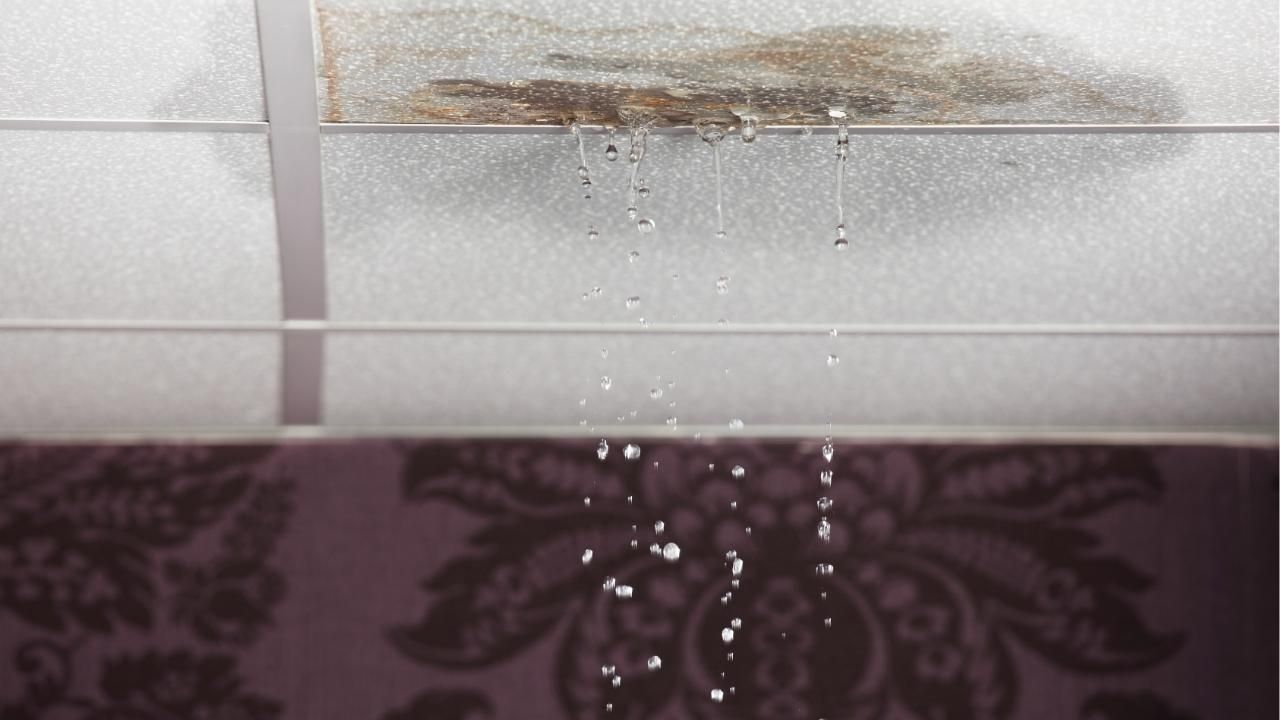
A roof leak rarely starts as a dramatic drip in the living room. More often, it begins quietly with one loose shingle, one cracked flashing seam, or one small weak spot after a hard storm. For Alabama homeowners, roof leaks are especially common because heat, humidity, heavy rain, and storm activity all put constant pressure on roofing systems.
In this article, you’ll learn the most common causes of roof leaks, the warning signs to watch for, and when it is time to call an experienced Alabama roofing contractor before a small issue turns into costly interior damage.
Alabama Weather Can Be Rough on Your Roof
Alabama homes deal with a challenging mix of weather. Hot summers bake roofing materials for months at a time. Heavy rainfall tests every seam, valley, vent, and flashing point. Strong winds can lift shingles just enough for water to sneak underneath.
When these conditions happen year after year, even a well-built roof can start to weaken. Shingles may curl, seal strips may loosen, and small cracks can form around roof penetrations. Once water finds a path inside, it usually spreads farther than homeowners expect.
That is why early inspections matter. A roof may look fine from the ground while hidden damage is already forming around vents, chimneys, skylights, or roof valleys.
Damaged or Missing Shingles Are a Common Culprit
Shingles are your roof’s first line of defense. When they are cracked, curled, missing, or lifted, rainwater can get beneath the surface and reach the underlayment or decking.
This often happens after:
- High winds
- Falling branches
- Hail impact
- Long-term sun exposure
- Poor installation
- Aging roofing materials
Many homeowners ignore a few missing shingles because the damage looks minor. The problem is that water does not need a large opening to cause trouble. A small exposed area can lead to attic moisture, stained ceilings, mold growth, and wood rot.
If leaks keep returning in the same area, basic patching may not be enough. In some cases, homeowners eventually need roof replacements in Oneonta AL when the roof has reached the end of its useful life or has widespread storm-related wear.
Flashing, Valleys, and Roof Penetrations Often Fail First
Some of the most leak-prone areas on any roof are the places where materials meet. Flashing around chimneys, walls, vents, skylights, and dormers must be sealed correctly to direct water away from vulnerable joints.
Roof valleys are another common trouble spot. Since valleys carry large amounts of rainwater, any weakness there can quickly become a leak. If debris collects in the valley, water may back up under the shingles instead of flowing into the gutters.
Plumbing vents and exhaust vents can also cause leaks when rubber boots crack or metal flashing pulls away. These parts may seem small, but they are responsible for keeping water out of the attic and ceiling below.
Professional roof damage repair can address these weak points before they spread into larger structural problems.
Clogged Gutters and Poor Drainage Make Leaks Worse
Your gutter system plays a bigger role in roof health than many homeowners realize. When gutters are packed with leaves, pine needles, or roof granules, rainwater has nowhere to go. It can overflow, pool along the roof edge, and soak into fascia boards or under shingles.
Poor drainage can also damage siding, soffits, foundations, and landscaping. During Alabama’s heavy downpours, clogged gutters can turn a manageable roof issue into a much larger home repair problem.
Cleaning gutters regularly helps, but if you notice sagging gutters, water stains near the roofline, or soft wood around the eaves, it may be time for a professional inspection.
Short Case Study: A Small Stain Became a Bigger Problem
A homeowner noticed a faint brown stain on the ceiling after several days of rain. Since the spot was small, they waited a few months before calling for help. By then, moisture had spread through the attic insulation, and the roof decking near a plumbing vent had started to soften. The actual leak came from a cracked vent boot, a small repair if caught early. Because it was ignored, the project became more expensive and required replacing damaged wood and insulation.
When Should You Call a Roofer?
Do not wait until water is dripping into a bucket. Call a roofing professional if you notice:
- Ceiling stains
- Missing shingles
- Granules in gutters
- Musty attic smells
- Peeling paint near ceilings
- Water marks around chimneys or vents
- Sagging roof areas
- Higher indoor humidity after storms
A reliable roofing company can inspect the full system, find the true source of the leak, and recommend the right fix. Sometimes a repair is enough. Other times, replacing an aging or badly damaged roof is the smarter long-term investment.
Your roof protects everything inside your home. If you suspect a leak, schedule a professional roof inspection today and stop the damage before it spreads.
Ready to work with Royal Roof Contractors?
Let's connect! We’re here to help.
Send us a message and we’ll be in touch.
Or give us a call today at (205) 274-7663